The construction industry is embracing digital transformation at a pace previously unimaginable. Traditional methods of project management, planning, and site supervision are increasingly complemented—and in some cases replaced—by advanced technologies. Among the most transformative of these are augmented reality (AR) and virtual reality (VR). By integrating AR and VR with construction software, Australian builders, developers, and project managers can now conduct virtual site walkthroughs that dramatically improve planning accuracy, collaboration, and client engagement.
Historically, site walkthroughs were physical events. Architects, engineers, clients, and project managers would walk through a partially constructed site, assess progress, identify potential issues, and make critical decisions. While effective, these visits were time-consuming, dependent on weather conditions, and limited by the number of people who could practically access the site at a given time. On larger projects, travel logistics and safety concerns often constrained the frequency and quality of inspections.
AR and VR integration addresses these challenges by creating immersive, interactive digital replicas of construction sites. Through these technologies, stakeholders can explore, measure, and interact with buildings before or during construction, without stepping foot on site. The result is a revolutionary shift in how construction projects are planned, monitored, and communicated.
Understanding AR and VR in Construction
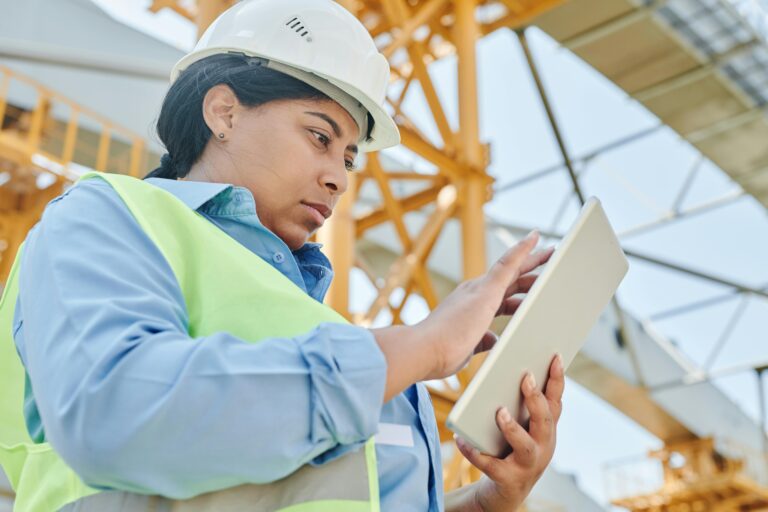
Augmented reality overlays digital elements onto the real-world environment. In construction, this could mean using a tablet or headset to view structural plans superimposed onto an existing site. Designers might visualise where walls, plumbing, or electrical systems will go, or highlight areas where work is behind schedule. AR offers a “mixed reality” experience, enhancing the physical environment with digital information to improve accuracy and decision-making.
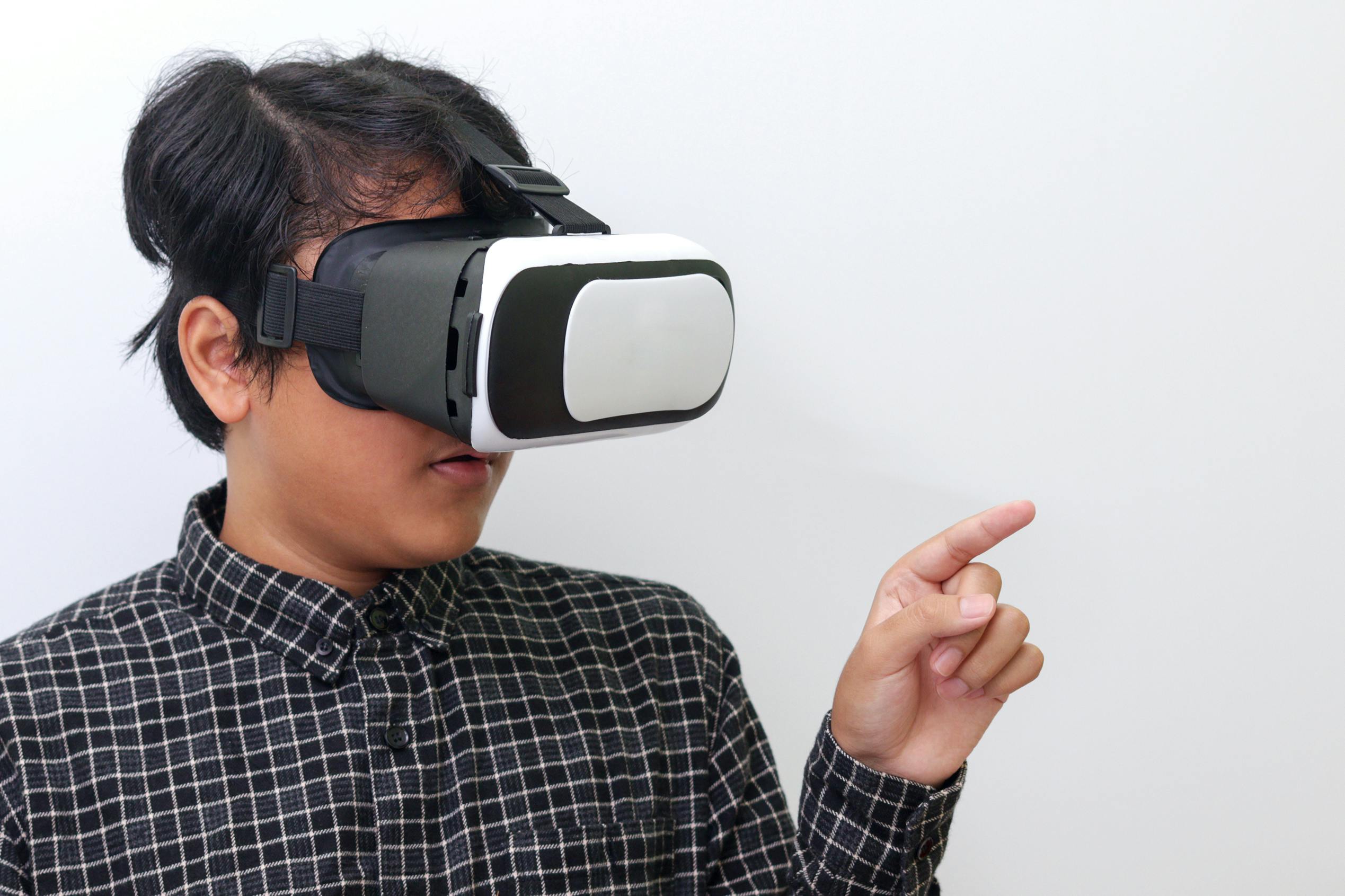
Virtual reality, on the other hand, immerses users in a fully digital environment. VR walkthroughs allow stakeholders to navigate a building model in three dimensions, interact with elements, and assess design decisions long before ground is broken. Using VR, a client in Sydney could tour a residential development in Melbourne, experiencing the spatial design and material choices as if they were physically on site. The immersive nature of VR helps non-technical stakeholders understand plans and layouts in ways traditional blueprints or 2D renderings cannot.
Integrating AR and VR with construction management software further amplifies their value. When linked to project schedules, cost databases, and BIM models, these technologies become tools for real-time collaboration, predictive planning, and risk mitigation. Data from the software feeds the AR/VR experience, while observations made during virtual walkthroughs can update schedules, highlight clashes, and flag design or construction issues.
Improving Collaboration and Communication
Construction projects involve multiple stakeholders, often dispersed across different cities or even countries. Architects, engineers, contractors, and clients need a shared understanding of the project to make informed decisions. Miscommunication is a common source of delays, cost overruns, and disputes.
AR and VR integration directly addresses these challenges. Virtual walkthroughs allow all stakeholders to see the same environment simultaneously, even if they are in different locations. Changes or design updates can be visualised instantly, enabling teams to collaborate in real time. For instance, an engineer noticing a potential structural clash during a VR walkthrough can immediately mark it in the construction software. The issue can then be addressed before construction begins, avoiding costly rework.
For clients, AR and VR offer unprecedented clarity. Traditional 2D drawings often require interpretation, and misunderstandings about scale, layout, or finishes are common. By allowing clients to “walk through” their building virtually, they can provide feedback early in the design phase, approve changes faster, and gain confidence in the project’s direction. This reduces the number of revisions and improves client satisfaction, both of which are critical for reputation and long-term business success.
Enhancing Project Planning and Risk Management
AR and VR are not just marketing tools; they are powerful planning instruments. In the early stages of a project, VR walkthroughs allow construction managers to visualise the sequencing of work, identify potential bottlenecks, and simulate different construction scenarios. This predictive capability enhances workforce planning, material allocation, and scheduling.
AR can improve on-site risk management. By overlaying digital safety information onto the physical site, managers can identify hazards, plan safe routes, and ensure compliance with Australian Work Health and Safety regulations. Construction software integrated with AR can track the location of personnel, machinery, and materials in real time, allowing managers to react swiftly if safety protocols are breached or if resources are misallocated.
Moreover, the combination of AR/VR and BIM data allows teams to detect design clashes before they occur. Electrical conduits may conflict with plumbing layouts, or structural elements may obstruct HVAC pathways. Detecting these issues in a virtual environment prevents expensive delays, reduces waste, and improves overall construction quality.
Training and Workforce Development
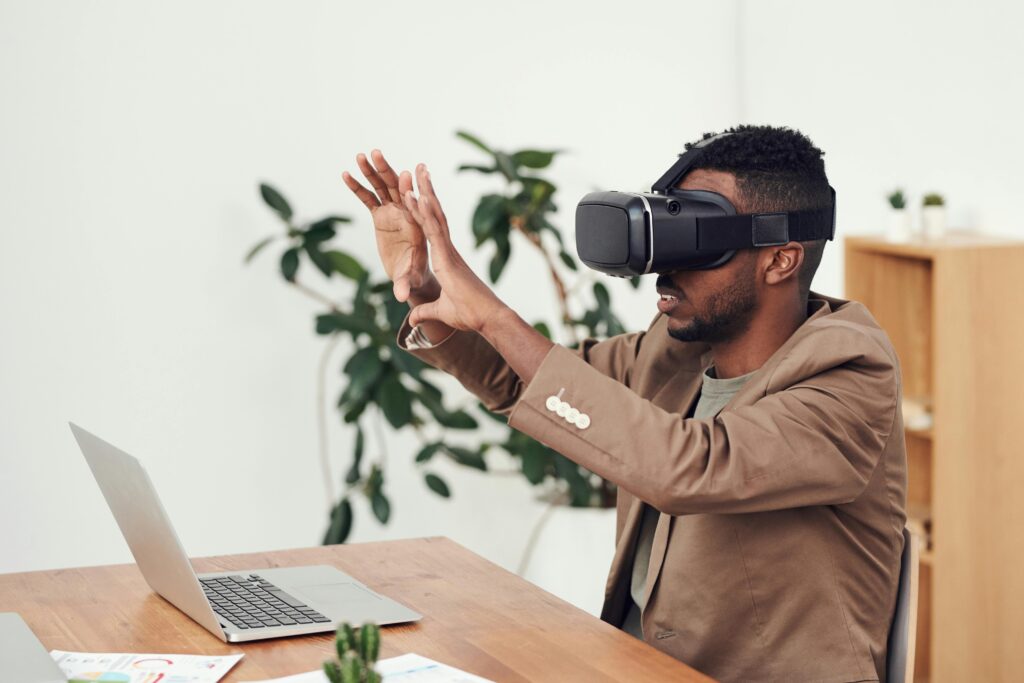
Another transformative application of AR and VR is in workforce training. Construction is a physically demanding and highly skilled industry. New apprentices or subcontractors often require time-intensive, hands-on instruction to operate safely and efficiently. AR and VR can simulate real-world tasks, allowing workers to practice installation, assembly, or machinery operation in a controlled, risk-free environment.
When integrated with construction software, these training simulations can be tailored to the specific project, site layout, or materials being used. Workers can rehearse complex procedures, understand safety protocols, and familiarise themselves with site-specific challenges before stepping onto the physical site. This approach accelerates learning, reduces accidents, and enhances overall productivity.
Optimising Costs and Reducing Waste
Construction waste is a significant challenge in Australia, both financially and environmentally. Miscalculations, rework, and poor planning contribute to unnecessary material usage. AR and VR help address these inefficiencies by allowing precise visualisation and measurement before construction occurs.
By integrating these technologies with construction software, project managers can simulate different design options, assess their impact on timelines and budgets, and optimise resource allocation. Early detection of design errors reduces the need for expensive on-site modifications, while accurate visualisation helps ensure that materials are used effectively, supporting sustainability objectives.
Furthermore, by improving project accuracy and predictability, AR/VR integration can help avoid contract disputes, claims, and delays, all of which carry financial risk. A more accurate, immersive planning process leads to better budgeting, lower contingency costs, and improved return on investment for builders and clients alike.
Client Engagement and Marketing Advantages
Beyond operational benefits, AR and VR integration offers significant marketing potential. Builders and developers can provide clients with immersive experiences that showcase the design, finishes, and spatial layout before construction begins. For prospective buyers or tenants, this is far more compelling than static brochures or renderings.
In Australia’s competitive residential and commercial markets, the ability to offer virtual walkthroughs can be a differentiator. Clients feel involved and informed, increasing trust and the likelihood of project approval. Moreover, these immersive experiences can be used in sales and marketing campaigns, offering a tangible demonstration of quality, innovation, and transparency.
Challenges and Considerations
While the advantages of AR and VR are significant, their implementation is not without challenges. High-quality VR headsets, AR-enabled devices, and software licences represent an upfront investment. Integration with existing construction management systems requires careful planning and potentially custom development to ensure compatibility and data integrity.
Training is another critical factor. Stakeholders, from project managers to subcontractors, need to be proficient in using these tools to realise their full potential. Poorly implemented AR/VR systems can slow workflow rather than enhance it.
Data security is also a consideration. Construction projects often involve sensitive client information, design IP, and strategic planning data. Ensuring that AR/VR systems and integrated software platforms are secure is essential, particularly as virtual walkthroughs may be accessible remotely.
Finally, technological infrastructure must be reliable. Poor internet connectivity or outdated hardware can disrupt the immersive experience, leading to frustration and lost productivity. In Australia, where construction sites may be in regional or remote areas, planning for reliable access is vital.
The Future of Virtual Site Walkthroughs
The trajectory of AR and VR in construction is clear. As hardware becomes more affordable and software platforms more sophisticated, virtual site walkthroughs will become standard practice rather than a luxury. Australian builders are already exploring ways to integrate AR/VR with drone surveys, IoT sensors, and AI-driven construction management systems to create fully interactive, data-rich virtual environments.
In the near future, it is likely that every major project will include a virtual component accessible to clients, contractors, and regulators. Remote inspections, real-time progress updates, and immersive design approvals will reduce the need for travel, improve communication, and accelerate decision-making.
The next generation of AR/VR solutions may also incorporate augmented analytics. Virtual walkthroughs could highlight cost implications, sustainability metrics, and risk indicators in real time, providing actionable insights during the design or construction phase. This convergence of immersive technology and data-driven construction software promises a level of transparency, efficiency, and precision that has previously been impossible.
Integrating AR and VR with construction software represents a paradigm shift in how Australian builders plan, execute, and communicate their projects. Virtual site walkthroughs offer unparalleled clarity, collaboration, and predictive capability, transforming construction from a reactive, site-dependent process into a proactive, data-informed experience.
The benefits extend across the entire project lifecycle. Clients gain confidence and engagement, subcontractors and trades can train and prepare more effectively, project managers can anticipate and resolve issues before they escalate, and businesses can optimise costs, reduce waste, and enhance their reputation. While implementation requires investment, training, and careful planning, the returns in productivity, quality, and client satisfaction are substantial.
As technology continues to advance, AR and VR integration with construction software will not remain a novelty. It is becoming an essential tool for builders seeking to stay competitive in a demanding, complex, and evolving industry. The future of construction is immersive, intelligent, and interactive, and virtual site walkthroughs are leading the way.